Water treatment SEO that earns softener and filter installation quotes.
I’m Toufiq, an independent SEO consultant. People rarely search for a water softener first. They search for spots on the dishes, orange stains in the tub, a smell from the tap or worry about what is in their well. I help US water treatment dealers and installers answer those searches honestly, so the people who request a test or a quote already trust you and have a real problem you can solve.
What does SEO for a water treatment company cover?
Water treatment SEO helps a softener and filtration company get found and trusted by homeowners searching for a water problem near them, from hard water and chlorine taste to iron, sulfur smells and well contamination. It usually means pages built around problems and water sources rather than product names, honest testing content backed by public guidance, a Google Business Profile with real installations, a quote or test request that captures the right details, and tracking from test booked to system installed.
City water and well water are different businesses on the same website
Most water treatment sites mix them together. But a homeowner on city water and a homeowner on a private well arrive with different problems, different information and different levels of worry. Each deserves its own path through your site.
Comfort, taste and appliances
- Hardness: spots, scale on fixtures, dry skin
- Chlorine or chloramine taste and smell
- Worry about lead in older homes, or what the news says about contaminants
- Can read their utility’s annual water quality report
- Usually treated already, so the question is comfort, taste and appliances
Diagnosis and safety
- Iron and manganese: orange or black staining
- Sulfur: rotten egg smell, often on the hot side
- Bacteria and nitrates, which only testing reveals
- Nobody tests the water unless the owner does
- Often a combination of problems, so the system is more complex
City water customers can usually look up their utility’s annual water quality report. The EPA requires community water systems to publish a Consumer Confidence Report each year, and a page that helps people read theirs, and explains what a softener or filter would and would not change, is both useful and persuasive. Well owners have no such report. The CDC recommends testing private wells at least once a year for total coliform bacteria, nitrates, total dissolved solids and pH, which makes an honest well testing page one of the most natural ways to start a relationship.
Many homeowners expect a water treatment company to oversell them
This industry carries a reputation it did not entirely earn: dramatic in-home demonstrations, frightening language about tap water and long rental contracts that are hard to leave. Plenty of homeowners now research carefully before they let anyone test their water.
That is an opportunity for an honest company, and it should shape the whole site. Lead with the problem the customer described, explain what causes it and what would fix it, and back your claims with independent certifications and public guidance rather than adjectives. The CDC’s advice on choosing home water filters, for example, tells consumers to check NSF certification on the label. A site that does that work for them earns more test requests than one that tries to alarm them.
You cannot quote a system without knowing the water
A softener for a family of five on hard city water and an iron and sulfur system for a two-person home on a well are different jobs, with different equipment and prices. A form that asks only for a name and phone number guarantees a long first call, or a home visit before you know whether the job fits.
The request I would build lets people describe what they notice in their own words, upload any report they already have and choose whether they want a test, a ballpark or a visit. Many homeowners like being asked about their water before being asked about their budget. It feels like diagnosis, not a sales pitch.
Collecting the right details first is also how the request turns into a written quote you can stand behind, rather than a number that changes at the kitchen table.
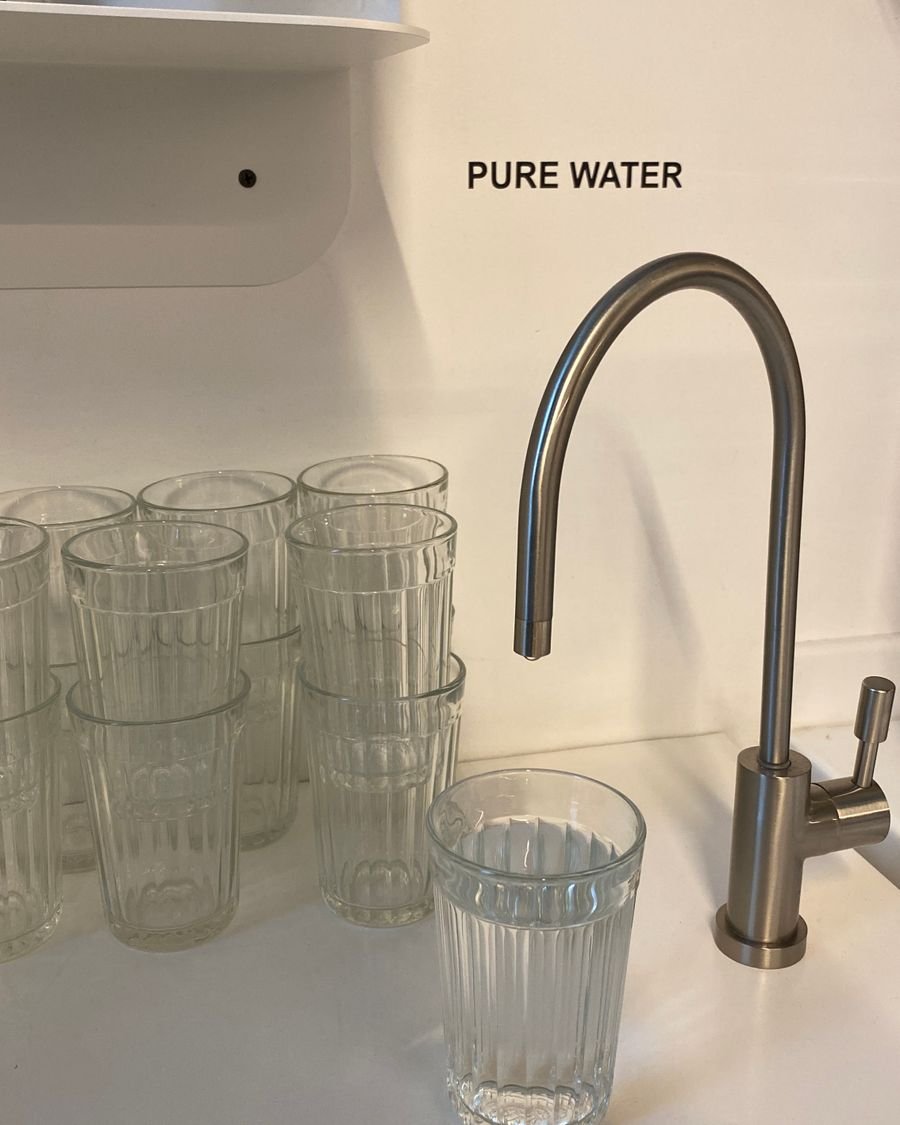 Drinking water only
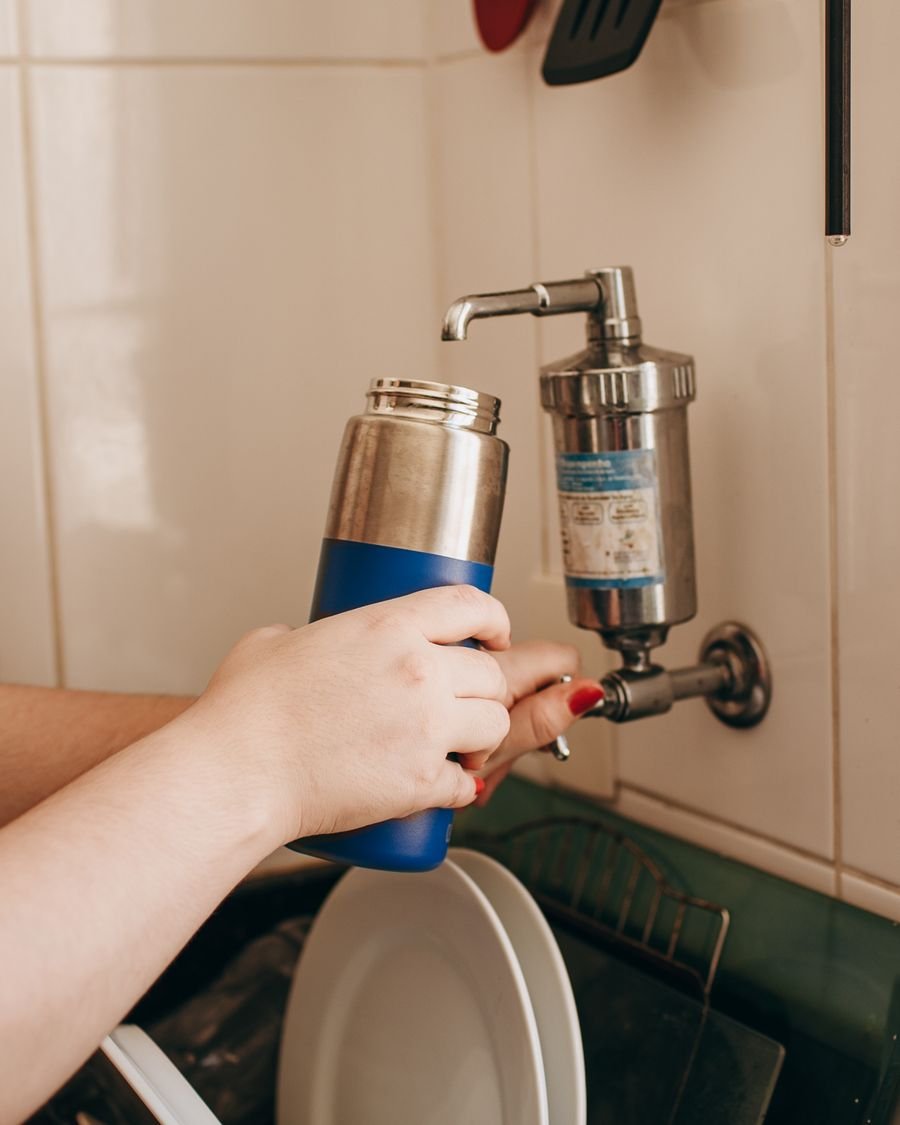 Point of use, or whole house?
From what they notice, to what they type, to the page that should answer
This is the structure I would build your site around. Each row starts with something a homeowner can see, smell or taste, because that is where their search starts. Product pages still matter, but they work best as the destination of these problem pages, not the front door.
Competing with national dealer brands without pretending to be one
In many US markets, the first results for water softener searches include locations of national dealer networks and big-box retailers selling boxed systems. Independent dealers and installers can still win, but not by copying them.
If you are an authorized dealer for a manufacturer, say so clearly, name the product lines you install and explain what that means for warranty and service. If you are independent, explain which equipment you choose and why, and what certifications it carries. Either way, do not use another company’s brand name in a way that suggests a relationship you do not have.
Your advantages are the ones a national brand struggles to show at every location: real knowledge of local water, from the hardness typical of your utility to the iron and sulfur common in nearby wells; installers who live in the area; honest pricing; and service that is still there when a resin bed or membrane needs replacing years later. Pages about local water conditions, written from your own testing experience and checked against public data, are hard for anyone else to copy.
Orange stains, a strange smell and a quote that did not change at the kitchen table
Week one
A couple moves into a rural home with a private well. Within days there are orange stains in the shower and a smell from the hot water. One of them searches “iron in well water” and, later, “well water smells like rotten eggs”.
The research
They find a local company’s page that explains both problems, why they often come together, and that a bacteria and nitrate test is recommended for well owners anyway. The page offers a test, explains what it covers and shows the systems usually involved, with certifications named.
The quote
They book the test through the page and upload a photo of the staining. The company arrives knowing it is probably an iron and sulfur job, confirms it with the test and leaves a written quote. They install within two weeks and sign up for annual well testing.
An invented household, used to show a common pattern. Not a client story.
The plan follows your own sales cycle: test, recommend, install, service
Water treatment customers move through the same four steps whether they find you online or through a referral. The search work is organized the same way, so each step has the pages and tracking it needs.
- Google Business Profile with the category that best matches your main work, each system and testing listed as services, photos of real installs and a review request after each one. This is the foundation of my local SEO work.
- A well testing page and a city water page that explains how to read the utility’s report.
- Problem pages from the map above, each leading to the right system page, built to match their searches through my on-page SEO.
- Honest comparison pages, such as softener versus salt-free conditioner, chosen and ordered through my content strategy work.
- The quote and test request form above, fast on a phone, with uploads that work and every request tracked. Technical fixes like these sit in my technical SEO service.
- Pricing ranges and clear terms for purchase, finance and rental.
- Salt delivery, filter changes and service plan pages, so existing customers can find and renew them.
- Links and mentions from plumbers, home inspectors, real estate agents, well drillers and local health or extension events, the honest kind of link building for this field.
Tracked from the first test to the last bag of salt
In-home and lab tests booked from search, by water source.
→Written quotes, by system type.
→Systems installed, and the share of quotes that became installs.
→Salt delivery, filter and service plans started from the site.
Most of these numbers live in your CRM or job software already. I connect them to the pages and searches that started each lead, using call tracking and form tracking, so you can see whether well pages or city water pages are bringing installs, and which systems they lead to. Where a sale cannot be traced to search, I leave it out of the credit.
What water treatment owners ask me
01Should water treatment pages be organized by product or by problem?+
02Is it wise to write about contaminants and health topics?+
03Should I offer free water testing on the website?+
04Do I need separate pages for well water and city water?+
05How should I handle rentals and service plans on the site?+
06Can I mention brand names of the equipment I install?+
07Is there anything you will not promise?+
Calm, accurate pages sell more water treatment than scary ones
I believe the honest companies in this industry have the best SEO opportunity in years. Homeowners are more skeptical than ever, and the businesses willing to explain the water before the equipment are the ones they end up trusting.
I run a small independent practice, which means the research, writing and reporting all come from me. I previously led the SEO function at a US agency, with more than twenty webmasters, content managers and copywriters reporting to me, much of the work for local home service businesses. My wider approach to these trades is on the home services SEO page, and more about me is on the about page.
Water treatment would be new territory for me as a client industry, so there is no case study on this page, and I will not borrow one from elsewhere. What I will do before we talk is search for the water problems common in your area, read what ranks, and try your test or quote request myself.
Related pages
Home Services SEO
The broader approach for trades that install and service equipment in people’s homes.
Explore →Related industryAppliance Repair SEO
Another trade where brand names, symptoms and honest explanations decide the call.
Explore →ServiceSEO Content Strategy
How I choose which problem pages to write first, and which to leave out.
Explore →See how homeowners with a water problem find you today.
Share your website, Google profile, service area and the systems you install, and tell me whether most of your customers are on city water or wells. I will search the problems common where you work and test your quote request before we speak.
Prefer email? toufiqseopro@gmail.comWhat happens next
- You describe your marketCity or well, systems, area and the work you want more of.
- I research the water problemsSearches, ranking pages and your quote path.
- An honest conversationWhere the opportunity is and what I would build first.