Start here
Local SEO
County and service pages for drilling, pump repair and inspections in rural areas.
For well drilling contractorsExplore →
I’m Toufiq, an independent SEO consultant. Most water well contractors are kept busy by pump failures and emergencies, while the larger new well projects come through builders, neighbors and luck. I help US well drillers get found by the people planning a home on rural land, replacing a failing well or buying a property with one, so more of your calendar is drilling work you chose.
It is the work of making a water well contractor visible and credible to people in its area who need a new well, a replacement, a pump repair or a well inspection. For most drillers that means separate pages for each kind of job, an honest explanation of how wells are priced when depth is unknown, local pages built from real knowledge of the geology and permits, a Google Business Profile that covers the counties you actually drill in, and a project request that gathers the details you need before a site visit.
A family with no water this morning and a couple planning a house for next spring both search for a “well company”. They need very different things from your website. When one page tries to serve both, the pump call usually wins, because it is urgent, and the new well project quietly goes to whoever explained drilling better.
“How much does it cost to drill a well” is one of the most common searches in this trade, and most drillers either avoid it or answer with a single number that turns into an argument later. Neither helps you.
The National Ground Water Association’s guide for homeowners encourages them to ask for an itemized estimate rather than a lump sum. A pricing page that does exactly that, and explains each line, ranks for the cost searches and filters out people who expected a well to cost the same as a fence:
Then explain the depth question plainly. Many states publish well records from past drilling, and your own logs tell you what wells in a given area usually need. A sentence such as “wells in this part of the county have typically needed to go deeper than the valley”, backed by your real experience, is honest, useful and almost impossible for a lead directory to copy. Give the range you are comfortable with, and say clearly that the final cost depends on what the drill finds.
New well projects start long before anyone calls. The landowner is talking to a builder, a lender, a surveyor and the county. By the time they contact a driller, they want to know whether you work in their area, roughly what it will cost and when you could drill.
A request form built around the questions on the right lets you answer those three things in one reply. It also signals that you are the kind of contractor who plans a well properly, which matters to people about to spend a significant part of their building budget underground.
Keep the pump emergency path separate and fast: a phone number at the top of every page and a short service form. The two should never compete for the same space.
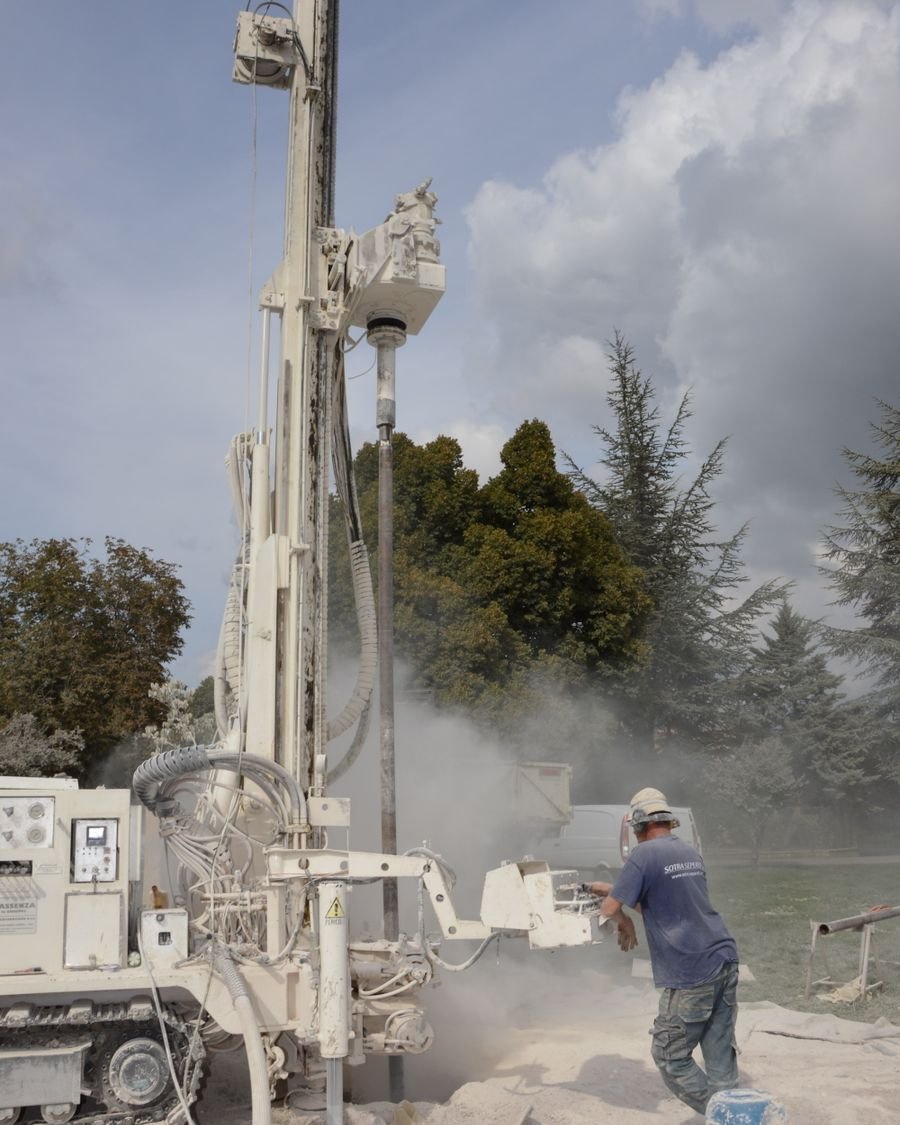 The project buyers are planning
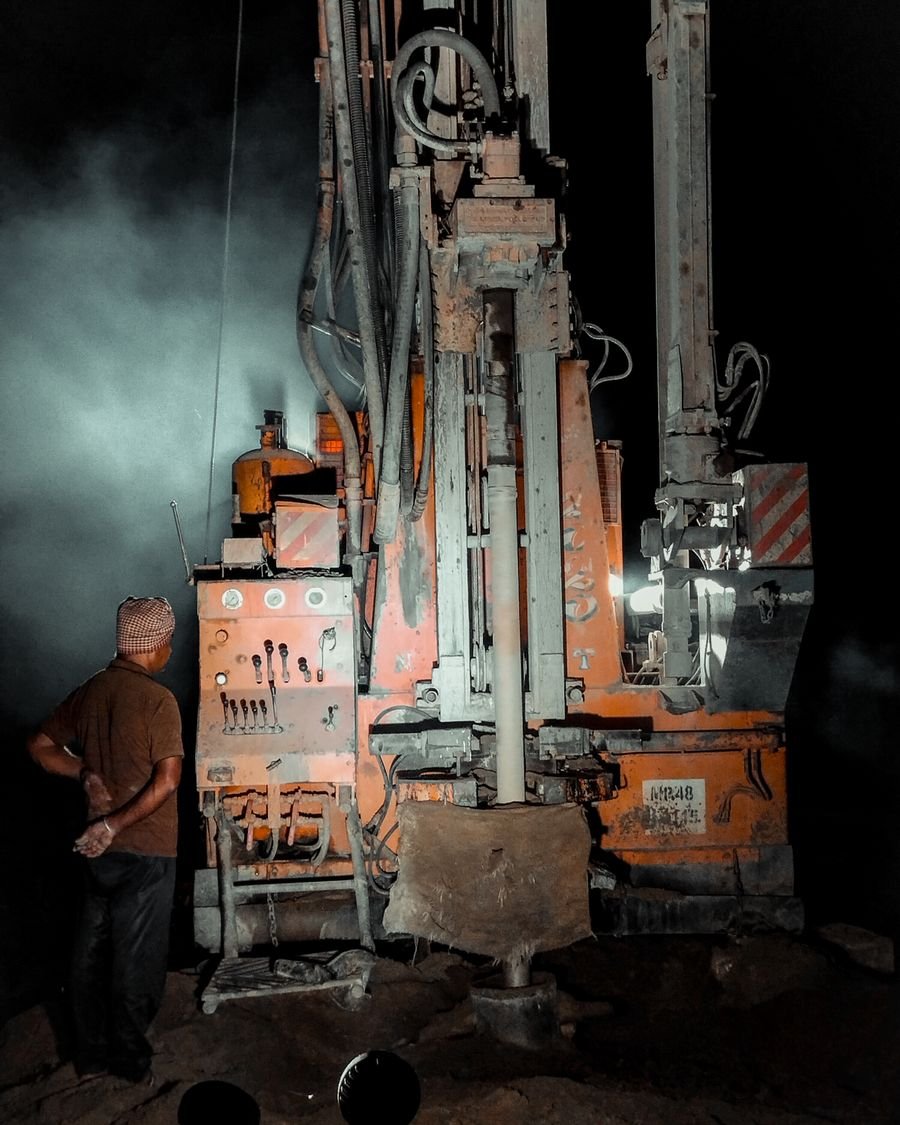 The work they rarely see
Private wells are largely the owner’s responsibility. The EPA notes that private well owners are responsible for the safety of their water and that private domestic wells are not regulated under the federal Safe Drinking Water Act. That puts a lot of weight on choosing the right contractor, and careful buyers check credentials before they call. Only list what is true for your company.
Many states license water well contractors and pump installers. Show your license number where your state requires it, and which license covers which work.
The National Ground Water Association certifies contractors, up to Master Groundwater Contractor. Name the certified people on your team.
Liability and workers’ compensation, which NGWA tells homeowners to confirm before hiring.
Say that you file the well log with the state and give the owner a copy. It is a small sentence that signals a professional.
What you stand behind on materials and workmanship, and what happens if the well needs attention afterwards.
Builders, agents, septic installers and lenders send drilling work to contractors they trust. Each of those relationships can also exist online: a listing on a builder’s recommended trades page, a mention in an agent’s guide to buying rural property, a link from a septic installer who coordinates with you on site layout, a membership listing in your state ground water association. These are genuine, relevant links, they help people find you when someone asks for a driller, and they are far more valuable than anything bought from a directory.
The same partners also search for you by name before passing it on to a client. A clear, current website with real projects and credentials makes their recommendation look good, which keeps the referrals coming.
Drillers usually cover several counties, and people search with the county or town in mind. That tempts many companies into a page per town with the same paragraph and a new name, which rarely ranks for long and can look like spam.
A better approach is a smaller set of area pages that only a local driller could write: what wells in that area typically encounter, the permit process and who issues it, common water quality issues such as iron or hardness, how far you travel and how scheduling works there. Paired with photos of real rigs on local sites and reviews from customers in that county, these pages answer the questions people actually have and give search engines something specific to rank.
A couple buys ten acres outside town and starts talking to a builder. Their lender says the property will need a working well before the loan closes. One of them searches “well drilling cost” with the county name.
They find a driller’s page that itemizes what goes into a well, explains that depth in their part of the county has varied a lot, and has an area page mentioning the permit office they already spoke to. They send a request with a map pin and the planned house site.
The driller has already coordinated with the septic installer on spacing. The well is drilled on the builder’s schedule, the log is filed, and the couple recommends the company to a neighbor who is building next year.
Drillers plan in phases, so here is the plan in the same format. After month four, the work becomes a steady rhythm of new project pages, area pages and referral links, with a monthly check on what is bringing drilling work.
Counties you really drill in, services split by job type, rig and job photos, review requests. Where my local SEO work starts.
Separate new well and pump service forms, call tracking, mobile fixes. Part of my technical SEO service.
New well, replacement, pump service and inspection pages, each matched to its searches through my on-page SEO.
A few strong county pages, written with your drillers and planned through my content strategy work.
Builders, agents, septic installers and associations, the useful kind of link building for drillers.
New well projects have a long lead time, so I report them over a rolling period, not just month to month. A cost page that started a conversation in January may produce a drilled well in May. Where a project came through a builder or agent who found you online, I note that too, and where the source is unclear, the report says so.
Most of what makes a well driller trustworthy is buried, literally: the formations you know, the depths you have reached, the permits you have pulled. My job is to turn that experience into pages a landowner can understand and a search engine can rank.
I am an independent consultant and handle the work myself, from the first audit to every report. My background includes running SEO for a US agency with a team of more than twenty webmasters, content managers and copywriters, mostly for local and regional service businesses. Many of your future customers will also need water treatment, which I cover on my water treatment SEO page, and you can read more about me on the about page.
I have not worked with a well drilling contractor before, so I have no drilling case study to show, and I will not dress up results from another trade. Before we talk, I will run the searches a landowner in your counties would run, read what ranks and look at how your site handles a new well inquiry versus a pump emergency.
The services well drilling contractors most often need, in the order I usually recommend them. Each one links to the full details, and you only need the ones that fit your situation. See all thirteen services.
County and service pages for drilling, pump repair and inspections in rural areas.
Cost, depth and permit guides that answer what landowners ask first.
A profile that shows rigs, services and service areas clearly.
Find out where you appear across a wide rural service area.
These businesses share customers, searches or seasons with well drilling contractors. Each page explains how SEO works in that industry. Browse all industries.
Treatment for new and existing wells.
See the approach →Related industryRural homes need both well and septic.
See the approach →Related industryNew rural homes that need a well.
See the approach →Related industryGround and water issues in rural properties.
See the approach →Send your website, Google profile, the counties you drill in and the split you want between new wells and service. I will run the searches a landowner would run there and test how your site handles a new well request before we talk.
Prefer email? toufiqseopro@gmail.com